




Starting in January 2027, Canadian investors will receive clearer and more complete information about the costs of their investments - through new Total Cost Reporting (TCR) rules (also known as CRM3). These changes aim to make investment costs easier to understand while highlighting the value of professional financial advice.
What is TCR?
TCR is a regulatory initiative led by the Canadian Securities Administrators (CSA) and the Canadian Investment Regulatory Organization (CIRO). It builds on earlier reforms by requiring disclosure on all costs – not just advisor compensation, but embedded product fees like management and trading expenses – across investment products, including, but not limited to, mutual funds and ETFs. These are not new fees; TCR simply makes them more visible, supporting greater transparency and informed decision-making.
Insert heading text
with an optional subtitleUnderstanding fees
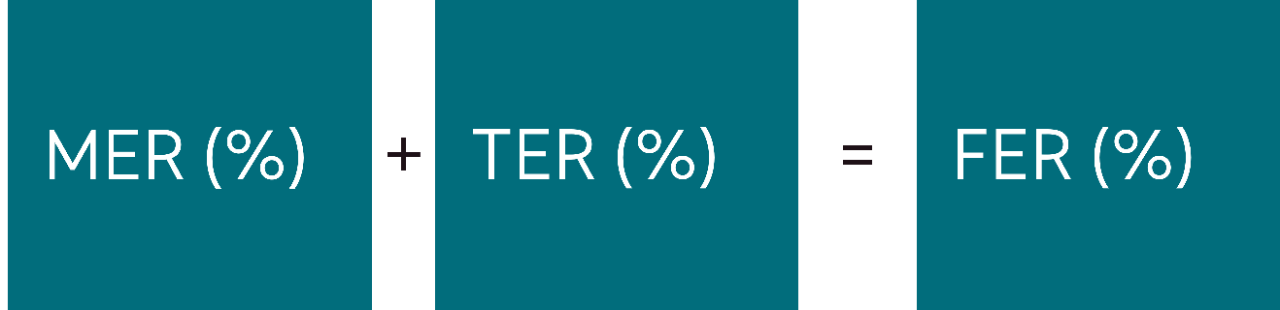
Total Cost Reporting doesn’t change fees—it changes how they’re shown. The percentages below explain existing investment costs and how TCR makes them easier to understand.
Existing terms:
- Management Expense Ratio (MER): the ongoing cost of owning a mutual fund, including professional portfolio management and any trailing commission that supports advice, access, and service.
- Trading Expense Ratio (TER): the cost of buying and selling assets within the fund
New term:
- Fund Expense Ratio (FER): combines MER and TER, showing total embedded product costs
The fund expenses will appear in dollar terms, not just percentages - making it easier for investors to view the real cost of investing.
Key statement changes investors will see in 2027
Starting in 2027, investors will receive a new version of the Annual Fee Disclosure Report covering the 2026 calendar year. It will include:
- Fund Expense Ratio (FER): a single percentage of fund-level costs (MER+TER) and advisor compensation
- Fund Expense dollar value: a clear dollar amount paid for fund-related expenses
- Enhanced formatting and terminology for easier understanding
The value of professional investment management
Trust and experience
Our mutual funds draw on the strength and experience of professional managers.

Diversification
Investment managers diversify across sectors, regions and asset types to help lower risk and boost long-term returns.
Flexible choices
Access to a variety of products that span different investment styles, asset classes, and geographies.
The value of advice
Cost transparency is only part of the story. TCR highlights the value of financial advice and the personalized guidance and strategic planning that advisors provide.
A Scotiabank advisor can help with:
- Setting and refining financial goals with better savings habits
- Staying invested through market cycles with long-term investment strategies
- Making informed decisions during life transitions and avoiding common financial missteps
- Selecting tax-efficient investment vehicles
As costs become more visible, so too does your Scotiabank advisor’s role in delivering real value beyond performance.
Resources
Investment costs made clearer: what Total Cost Reporting means for you
Total Cost Reporting hits investment statements early 2027, making investment fees clearer and easier to understand, so you can make more informed decisions.
Understanding fees and expenses
Understanding the costs associated with mutual funds is an important part of your purchase decision. Our 3-minute video will help you learn more about how mutual fund fees work.
Mutual fund fees: What you pay vs. what you get
This article explores mutual fund fees and explains how investment costs translate to value through experienced management and ongoing financial guidance.
Total Cost Reporting: FAQ
Answers to commonly-asked questions about Total Cost Reporting.
Commissions, trailing commissions, management fees and expenses may be associated with mutual fund investments. Please read the fund’s simplified prospectus before investing. Mutual funds are not guaranteed or insured by the Canada Deposit Insurance Corporation or any other government deposit insurer, their values change frequently, and past performance may not be repeated.
ScotiaFunds® are managed by Scotia Global Asset Management. ScotiaFunds are available through Scotia Securities Inc. and from other dealers and advisors, including ScotiaMcLeod® and Scotia iTRADE®, which are divisions of Scotia Capital Inc. Scotia Securities Inc. and Scotia Capital Inc. are wholly owned by The Bank of Nova Scotia. Scotia Capital Inc. is a member of the Canadian Investor Protection Fund and the Canadian Investment Regulatory Organization.
Scotia Global Asset Management® is a business name used by 1832 Asset Management L.P., a limited partnership, the general partner of which is wholly owned by Scotiabank.
® Registered trademarks of The Bank of Nova Scotia, used under licence.
© Copyright 2026 The Bank of Nova Scotia. All rights reserved.
